







Table of Contents
Get more resume writing tips, career insights, and workforce trends in your personalized search experience.
Speaking more than one language can give you a real advantage when applying for jobs. But listing your language skills on a resume isn’t as simple as writing “Spanish” or “French” and moving on.
Employers want to know how well you can actually speak, read, and understand another language. In this guide, you’ll learn how to describe your language levels on a resume clearly, so hiring managers see your true strengths right away.
Want to save time and have your resume ready in 5 minutes? Try our Resume Builder. It’s fast and easy to use. Plus, you’ll get ready-made content to add with one click.
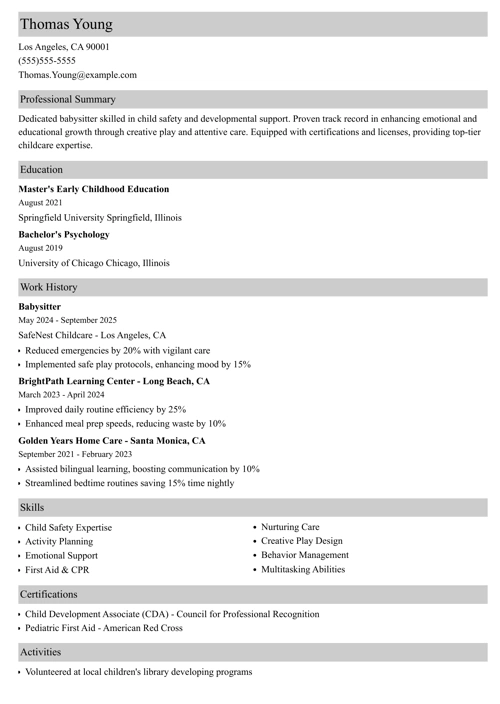
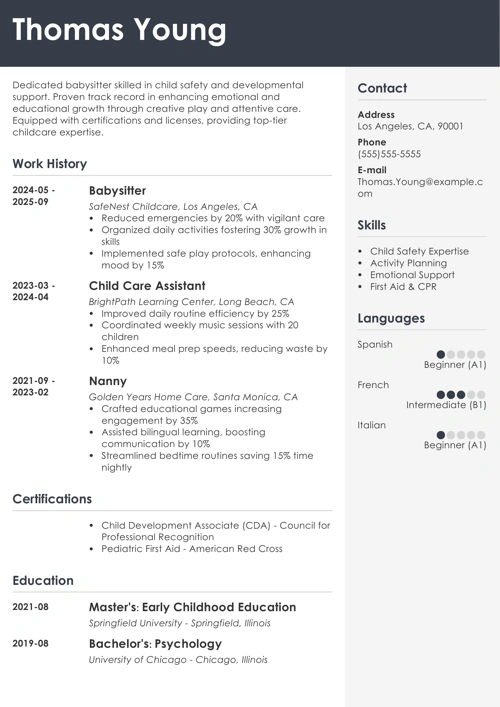
Sample Resume made with our builder —See more resume examples here.
One of our users, Chris, had this to say:
You cannot go wrong with Zety. The company does best at enhancing your resume and helping market yourself better to land the job you love.
What Are Language Proficiency Levels?
Language proficiency levels are standardized scales that show how well you can speak, read, write, and understand a language. The three most common systems used to describe language ability are:
- Interagency Language Roundtable (ILR): Most commonly used in the U.S., especially for government roles
- Common European Framework of Reference for Languages (CEFR): Universally understood in Europe, a safe choice for applying anywhere in the continent
- American Council on the Teaching of Foreign Languages (ACTFL): A more descriptive version of the ILR for people not familiar with the ILR grading system
Each framework uses clear levels, ranging from beginner to advanced or native, to show how comfortable you are using a language in real-life situations.
Here’s how the scales compare to one another:
| ILR | CEFR | ACTFL | |
| No proficiency | 0 | —— | Novice Low, Novice Mid |
| Elementary proficiency | 0+ 1 1+ | A1A2 | Novice High, Intermediate Low, Intermediate Mid |
| Limited working proficiency | 22+ | B1B2 | Intermediate High, Advanced Low, Advanced Mid |
| Professional working proficiency | 3 3+ | C1 | Advanced High |
| Full professional proficiency | 4 4+ | C2 | Superior |
| Native or bilingual proficiency | 5 | — | Distinguished |
LinkedIn used the ILR scale to define its own language proficiency levels, so we suggest determining your ILR level before using its system.
Why Including Language Proficiency Levels on a Resume Is Important
Including language proficiency levels when writing your resume shows employers exactly how well you can use another language. Hiring managers want to know whether you’re conversational, fluent, or able to work professionally in that language.
Language levels for a resume are especially helpful if you’re applying for jobs in customer service, healthcare, education, sales, or international business, where strong communication skills matter.
It’s also valuable when applying for jobs abroad or to companies with teams around the world, since employers need to know if you can collaborate across languages and cultures.
Since only about 9% of resumes include a dedicated language skills section, adding clear proficiency levels can help your resume stand out and look more complete.
How to List Language Proficiency Levels on a Resume
Listing your language skills correctly can make your resume look professional and help hiring managers quickly understand your abilities.
Follow these steps to show your language proficiency effectively:
Step 1: Decide Where to Include Your Language Skills
You can list languages in a dedicated languages section or include them under your skills section. A separate section works well if languages are key to the job, while including them under skills is fine for general roles.
If you’re proficient in more than one language, it’s best to list them in a separate section. Whatever you choose, keep it visible and easy to scan.
Step 2: Choose a Single Proficiency Framework
Pick one standardized framework, whether it’s ILR, CEFR, or ACTFL, to describe all your language skills. Using a single system avoids confusion and gives employers a consistent view of your abilities.
Keep in mind that CEFR is mostly used in Europe, while ILR is more common in the USA, and ACTFL is a more descriptive version of ILR for nongovernment roles. Consider where you’re applying and which industry you’re targeting to determine the best framework for your section.
Step 3: Specify Your Proficiency Level
Next to each language, include your level (e.g., CEFR: B2, ILR: 3, ACTFL: Advanced). Be honest and realistic; overstating skills can backfire in interviews.
Step 4: Include a Language Certificate
If you have a recognized certificate, such as a DELF for French or a DELE for Spanish, list it along with your level. Certificates add credibility and show employers that your skills are verified.
Step 5: Use Clear Formatting
Keep it simple and readable. Steer clear of charts and use words or numbers to describe your resume language levels. Bullet points or a comma-separated list work best for keeping your resume ATS-friendly.
Let’s see some examples of levels of language proficiency for a resume:
CEFR Format
Language Skills
- Spanish – CEFR: C2
- French – CEFR: C1
- Mandarin – CEFR: B1
ILR Format
Language Skills
- German: (ILR Level 4+)
- Japanese: (ILR Level 2)
- Italian: (ILR Level 2+)
ACTFL Format
Language Skills
- French: Superior
- Portuguese: Intermediate high
- Mandarin: Advanced low
LinkedIn Format
Language Skills
- Spanish – Native or bilingual
- Italian – Limited working proficiency
- German – Professional working proficiency
Pro tip: Zety’s resume templates can help you add your languages section seamlessly into your resume without having to manually adjust your section order or formatting.
Making a resume with our builder is incredibly simple. Follow our step-by-step guide, use ready-made content tailored to your job, and have a resume ready in minutes.
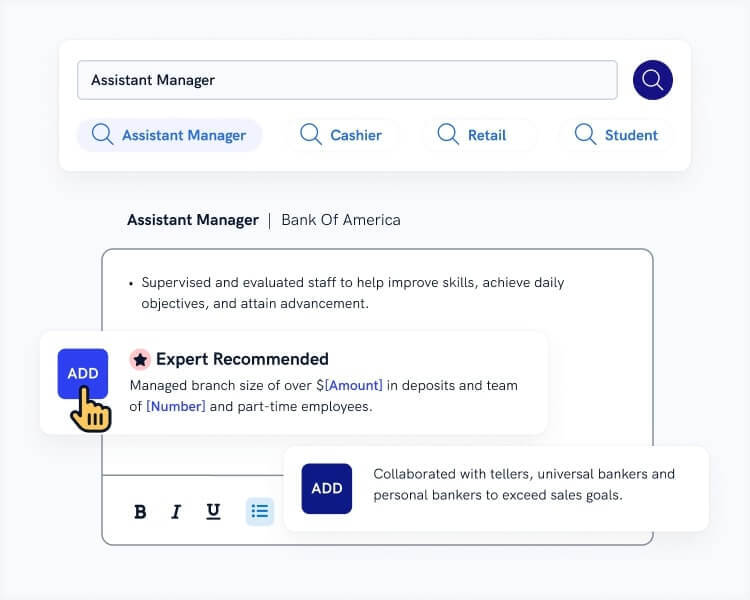
When you’re done, Zety’s Resume Checker will score your resume and tell you exactly how to make it better.
How to Determine Your Language Proficiency
It’s important to accurately assess your language skills—don’t just guess. Overstating your abilities can create problems in interviews or on the job, while understating them could make you miss opportunities.
You can determine your level of language proficiency in two ways:
1. Official Language Certificate
If possible, take a recognized language test. An official certificate is highly recommended if the language is required for the job. Here are a few:
- DELF/DALF for French
- DELE for Spanish
- TOEFL or IELTS for English
- ACTFL OPI for speaking proficiency
- HSK for Mandarin Chinese
2. Self-Assessment Tool
If you haven’t taken an official test, use a structured self-assessment. The official ILR and Council of Europe websites offer self-assessment PDFs to evaluate your reading, speaking, and listening skills.
Be honest about what you can realistically do in real-life situations. Accurately determining your proficiency ensures that your resume reflects your true strengths and helps you confidently communicate your abilities to employers.
Key Takeaways
Now you can show your language skills with confidence. Before you do, remember these key points:
- Language proficiency levels are systematic measurements of your ability to speak, read, or write a specific language.
- There are three common language proficiency frameworks: ILR, CEFR, and ACTFL.
- Clearly listing your language proficiency can strengthen your resume for client-facing jobs or for international companies where strong communication and collaboration skills are essential.
- Include a dedicated languages section or add languages under skills, depending on the job and importance of language use.
- Consider where you’re applying and which industry you’re in to decide on a standardized framework for consistently describing all your language skills.
- Verify your proficiency with an official certificate if a specific language is required for your target job.
- You can also use official self-assessments to determine your language level.
Frequently Asked Questions
How do you describe language proficiency on a resume?
Describe language proficiency by listing the language along with your level using a recognized framework like ILR, CEFR, or ACTFL. You can include this in a dedicated languages section or under skills.
Specify your level (e.g., ILR: Level 2+) and include certificates if you have them to verify your abilities. Clear labeling helps employers quickly understand how well you can speak, read, write, and understand the language.
What are the 5 levels of language proficiency?
Language proficiency is commonly divided into five levels:
- Beginner
- Elementary
- Intermediate
- Advanced
- Native or fluent
Each level describes your ability to read, write, speak, and understand a language. Frameworks like ILR, CEFR, and ACTFL may use slightly different terms or sub-levels, but these five categories provide a simple way to summarize language skills.
Should I put A2 language on my resume?
You can include an A2-level language on your resume if it’s relevant to the job, but it’s considered basic. Use it only when the role requires elementary communication skills or the potential to learn another language.
Be honest about your abilities and consider specifying that it’s beginner-level, so employers have realistic expectations. Including lower-level languages can be helpful if paired with stronger skills or a willingness to improve.
About Zety’s Editorial Process
This article has been reviewed by our editorial team to make sure it follows Zety’s editorial guidelines. We’re committed to sharing our expertise and giving you trustworthy career advice tailored to your needs. High-quality content is what brings over 40 million readers to our site every year. But we don’t stop there. Our team conducts original research to understand the job market better, and we pride ourselves on being quoted by top universities and prime media outlets from around the world.

Follow Zety as a preferred source in Google
Get more resume writing tips, career insights, and workforce trends in your personalized search experience. Learn more >

Share:


