











Table of Contents
Get more resume writing tips, career insights, and workforce trends in your personalized search experience.
What You Need to Know
- Effective resumes make a candidate’s relevant experience, skills, and accomplishments easy to identify, while providing evidence of what they achieved.
- Clear formatting, standard section headings, and readable text make resume content easier to scan and can help common applicant tracking systems (ATS) parse it.
- Resume content is most relevant when it reflects the requirements of the specific role, including relevant skills and terminology from the job description.
- Resume length, file type, and required information vary by employer, industry, and application type, so no single format applies to every application.
A strong resume does more than list where you’ve worked. It shows an employer how your experience, skills, and accomplishments relate to the job you want.
That’s also why resume advice can get confusing. The right approach can depend on your experience, industry, and the employer’s requirements. These resume tips cover the essentials, from formatting to writing stronger bullet points, using AI, tailoring applications, and staying organized during your job search.
Want to save time and have your resume ready in five minutes? Try our resume builder. It’s fast and easy to use. Plus, you’ll get ready-made content to add with one click. Explore our free resume templates and start building your resume today.
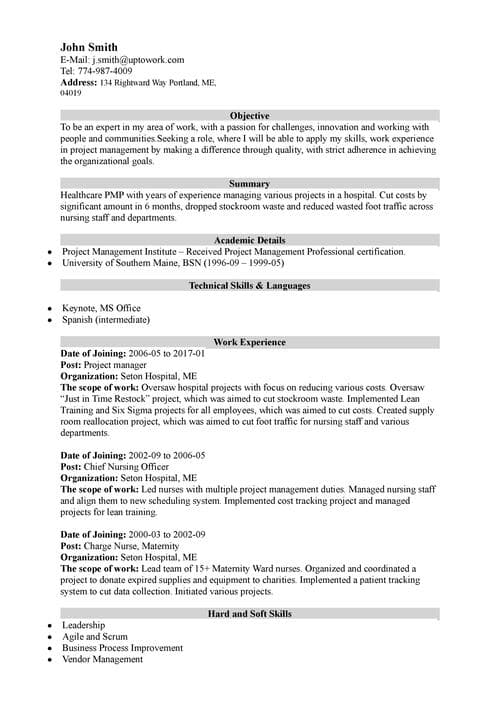
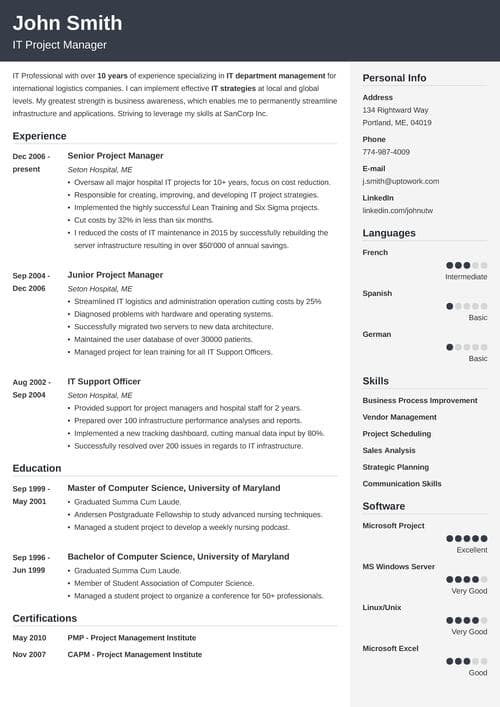
Sample resume made with our builder—See more resume samples here.
One of our users, Chris, had this to say:
You cannot go wrong with Zety. The company does best at enhancing your resume and helping market yourself better to land the job you love.
Resume Formatting & Structure Tips
Good resume formatting makes your qualifications easy to find and keeps the focus on your experience. For most job seekers, that means choosing a familiar structure, using consistent fonts and spacing, and avoiding unnecessary design elements. These resume-building tips can help you create a document that’s readable for both employers and ATS.
1. Choose a Clear Resume Format
Importance: ⭐⭐⭐⭐⭐
There are three main resume formats, and the right one depends on what you need to emphasize:
- Chronological resumes list experience in reverse-chronological order and work well for most candidates with a straightforward work history.
- Functional resumes emphasize skills over work history and may be useful when you need to highlight skills more than a traditional timeline.
- Combination resumes give significant space to both skills and experience, which can work well for candidates with relevant expertise across different roles.
For most job seekers, a chronological resume is the standard starting point. Specialized situations, including some career changes, may call for a different approach.
2. Keep Formatting Simple & Consistent
Importance: ⭐⭐⭐⭐
Follow a consistent structure so employers can quickly find what they need. Start with a clear resume header with your name and accurate contact information, followed by your summary or objective, experience, skills, and education.
Use an easy-to-read resume font and apply it consistently throughout the document. A body font around 10 to 12 points is usually readable, while slightly larger text can help section headings stand out.
Keep resume margins and spacing consistent, too. White space separates sections and prevents the page from feeling crowded. The goal isn’t to squeeze in as much information as possible—it’s to make your most relevant information easy to find.
A clean resume structure includes:
- Full name and contact information
- Professional summary or objective
- Work experience
- Skills
- Education
- Relevant certifications, projects, or additional sections
3. Make the Resume ATS-Friendly
Importance: ⭐⭐⭐⭐⭐
Applicant tracking systems help employers store, organize, and search application information. An ATS-friendly resume uses recognizable section headings, readable text, and a straightforward structure.
Avoid unnecessary graphics, icons, text boxes, and complicated tables that could make information harder to parse. You should also use relevant terminology from the job description naturally rather than stuffing your resume with keywords.
4. Choose an Appropriate Resume Length
Importance: ⭐⭐⭐⭐
Your resume should be long enough to show your relevant qualifications without filling space with unrelated information. One page may be enough for an early-career candidate, while someone with extensive relevant experience may need two.
Don’t cut meaningful accomplishments simply to hit an arbitrary page count. At the same time, remove outdated or unrelated details that don’t strengthen your application.
5. Use a Professional Template
Importance: ⭐⭐⭐
A professional resume template can give your information a clear structure while saving formatting time. Choose one that’s easy to edit and scan, with distinct sections for your experience, skills, education, and other relevant qualifications.
Zety’s free resume templates are designed to help job seekers organize their qualifications into a professional resume. Choose a design that supports your content rather than competing with it.
6. Follow the Employer’s File Format Instructions
Importance: ⭐⭐⭐⭐⭐
Use the file format requested in the job posting or application system. PDF can help preserve formatting, while some employers or systems may specifically request DOCX or another format.
Before uploading your resume, open the final file and make sure the text, spacing, links, and page breaks still appear correctly.
Resume Writing Tips for Your Summary, Experience, & Skills
The strongest resume writing focuses on relevance and evidence. Your summary should establish your qualifications, your experience should show what you’ve accomplished, and your skills should reflect what the target employer needs. Together, these sections should make the case for why your background fits the role.
1. Write a Targeted Professional Summary
Importance: ⭐⭐⭐⭐⭐
A resume summary gives employers a quick overview of your most relevant experience, strengths, and accomplishments. Keep it to about two to four sentences and tailor it to the role instead of writing a general description that could appear on any application.
Example:
Creative graphic designer with 7 years of experience developing print, digital, and social media campaigns. Skilled in Adobe Creative Suite, branding, and layout design. Led a website redesign that increased user engagement by 35%.
2. Know When an Objective Makes Sense
Importance: ⭐⭐⭐
A resume objective can make sense when your work history doesn’t immediately explain where you’re headed. That can include recent graduates, people entering the workforce, or career changers.
Instead of focusing only on what you want, connect your goals to the skills or experience you can offer the employer.
3. Tailor Your Resume to Each Job
Importance: ⭐⭐⭐⭐⭐
Tailoring doesn’t mean rewriting your entire resume every time. Compare your background with the job description, identify the experience and skills that overlap, and give those qualifications greater emphasis.
Use relevant resume keywords naturally when they accurately describe your background. Never add a skill, credential, or experience simply because it appears in the posting.
4. Focus Experience Bullets on Accomplishments
Importance: ⭐⭐⭐⭐⭐
Your work experience section should explain more than what you were assigned to do. Strong bullets show the action you took, the context, and the result whenever that information is available.
For instance:
- Before: “Responsible for answering customer questions.”
- After: “Resolved 40+ customer inquiries per day while maintaining a 95% satisfaction rating.”
5. Quantify Your Impact
Importance: ⭐⭐⭐⭐
Numbers give employers useful context for your accomplishments. Depending on your role, you might quantify revenue, cost savings, customers served, projects completed, turnaround time, error reduction, team size, or another meaningful result.
Don’t invent a metric just to include a number. A specific outcome without a percentage or dollar amount can still be stronger than a vague responsibility.
6. Start Bullets With Strong Action Verbs
Importance: ⭐⭐⭐⭐
Strong action verbs make it easier to see what you actually did. Choose verbs that describe the action accurately instead of repeating generic words such as “helped” or “worked.”
| Function | Action Verb Examples |
|---|---|
| Leadership | Led, directed, mentored, supervised, coordinated |
| Analysis | Analyzed, evaluated, assessed, researched, identified |
| Technical | Built, developed, programmed, automated, implemented |
| Communication | Presented, wrote, negotiated, advised, explained |
| Operations | Streamlined, organized, managed, scheduled, improved |
| Customer service | Resolved, assisted, supported, retained, responded |
7. Avoid Vague Resume Language
Importance: ⭐⭐⭐
Words such as “hard worker,” “team player,” and “results-driven” don’t tell an employer much without evidence. Show the quality instead of simply naming it.
Instead of “Excellent team player,” for example, you might write: “Collaborated with a five-person design team to deliver 12 client campaigns on schedule.”
8. Choose Relevant Skills
Importance: ⭐⭐⭐⭐⭐
Use the skills section to highlight abilities that matter for the job. Include relevant hard skills and soft skills, but prioritize the qualifications the employer specifically requests and that you can genuinely demonstrate.
Technical skills, such as software, programming languages, equipment, or industry-specific tools, can be particularly useful when they’re required for the role.
9. Show Skills Through Your Experience
Importance: ⭐⭐⭐⭐
Don’t rely on the skills section to do all the work. Your experience bullets can provide evidence that you’ve actually used important skills.
For example, instead of simply listing “project management,” describe a project you coordinated, its scope, and what happened as a result. You can do the same with other transferable skills, including communication, leadership, problem-solving, and time management skills.
10. Include Relevant Education & Credentials
Importance: ⭐⭐⭐⭐
Your education section generally includes your degree or diploma, school, and other information relevant to your career stage. Students and recent graduates may also benefit from adding relevant coursework, honors, or academic projects.
Include licenses, training, and certifications when they’re required for the job or strengthen your qualifications.
Resume Tips for Different Career Situations
Resume advice should change with your career situation. A recent graduate may need to emphasize education and projects, while a career changer may rely more heavily on transferable skills. Employment gaps, specialized applications, and extensive work histories can also affect what you include, remove, or emphasize.
1. Writing a Resume With No Experience
Importance: ⭐⭐⭐⭐⭐
Writing a resume with no experience doesn’t mean you have nothing relevant to include. Focus on education, internships, volunteer work, academic or personal projects, relevant coursework, and transferable skills.
Look for accomplishments within those experiences, too. Leading a student organization, completing a technical project, or coordinating volunteers can demonstrate skills that apply in the workplace.
2. Handling a Career Change
Importance: ⭐⭐⭐⭐
For a career change, emphasize transferable skills and accomplishments that connect your previous work to your new target role. You don’t need to explain every detail of your former career.
A targeted summary can set your direction, while your experience bullets can highlight relevant work, such as leadership, communication, analysis, project management, or technical skills.
3. Addressing Employment Gaps
Importance: ⭐⭐⭐
An employment gap doesn’t always need a lengthy explanation on your resume. Keep the focus on your qualifications and include relevant freelance work, projects, education, training, volunteer experience, or certifications completed during that period when appropriate.
Most importantly, use accurate dates. Don’t alter your employment timeline to conceal a gap.
4. Deciding How Far Back to Go
Importance: ⭐⭐⭐
There’s no single cutoff that works for every resume. Prioritize recent and relevant experience, then consider whether older positions add information the employer needs to understand your qualifications.
An experienced candidate may summarize or remove older unrelated positions, while an earlier role can still be worth including if it demonstrates specialized experience required for the job.
5. Tailoring Specialized Applications
Importance: ⭐⭐⭐⭐⭐
Standard resume advice doesn’t apply equally to every application. Federal jobs, academic positions, international applications, and jobs requesting a CV may have different requirements.
Read the application instructions before deciding what to include or remove. Federal resumes may require more detailed employment information, such as dates, hours worked per week, and position-specific details, so follow the vacancy announcement rather than applying standard private-sector conventions. Academic CVs can also include sections such as publications and research that wouldn’t typically appear on a conventional resume.
6. Include Optional Sections Selectively
Importance: ⭐⭐
Additional sections can strengthen your resume when they provide relevant information. Depending on your background, that could include publications, awards, languages, professional memberships, volunteer work, certifications, or projects.
Don’t add an optional section simply to fill space. Include it when it gives the employer another meaningful reason to consider your qualifications.
Modern Resume & Job Search Tips
Modern resume tips go beyond writing the document itself. AI can help you tailor your resume by comparing it with a job description and identifying skills, qualifications, and terminology worth emphasizing. Use the results to decide what to highlight or reorder, but don’t let AI add experience, credentials, or accomplishments you don’t have.
1. Use AI to Brainstorm Resume Content
Importance: ⭐⭐⭐
Generative AI can help when you know what you did but aren’t sure how to describe it. Give the tool your rough notes and ask for several ways to turn them into concise accomplishment statements.
The result should be a starting point, not finished copy. Review every suggestion and make sure it accurately reflects your experience.
2. Use AI to Tailor Your Resume
Importance: ⭐⭐⭐⭐
AI can also help you compare a job description with your existing resume and identify qualifications worth emphasizing.
Example prompt:
Compare this job description with my resume. Identify the skills and terminology that appear in both, plus relevant requirements my resume doesn’t currently address. Don’t add or invent experience, skills, or accomplishments.
3. Check Every AI-Generated Claim
Importance: ⭐⭐⭐⭐⭐
AI should help describe your experience, not invent it. Never submit fabricated metrics, skills, credentials, job duties, or accomplishments. AI-generated language can also sound generic, so rewrite suggestions in your own voice, confirm every detail, and make sure the finished resume represents what you actually did.
4. Make Your Resume Stand Out Through Substance
Importance: ⭐⭐⭐⭐⭐
An unusual design isn’t necessary to make a resume memorable. Specific, relevant evidence is more useful than gimmicks.
Show what you accomplished, provide context, and prioritize the qualifications that matter for the job. A clear bullet showing that you reduced processing time by 20%, for example, tells an employer more than a decorative graphic or generic claim about efficiency.
5. Keep a Master Resume
Importance: ⭐⭐⭐⭐
Maintain one comprehensive resume containing your positions, projects, accomplishments, skills, certifications, and other potentially useful information. Think of it as your source document rather than the version you submit.
For each application, duplicate the master and remove or reorder information based on what’s relevant to that job.
6. Track Your Applications
Importance: ⭐⭐⭐
A simple spreadsheet or document can prevent applications from blending together. Consider tracking:
- Company and job title
- Date applied
- Resume version submitted
- Contact or recruiter information
- Application status
- Follow-up date
- Interview dates or notes
7. Follow Up Appropriately
Importance: ⭐⭐⭐
If the employer provides a hiring timeline or follow-up instructions, follow them. Otherwise, a brief, professional follow-up after you’ve allowed reasonable time for the application to be reviewed can reaffirm your interest.
Keep the message concise and avoid repeatedly contacting the employer if you don’t receive a response.
8. Use a Professional File Name
Importance: ⭐⭐⭐
Name your resume so both you and the recipient can identify it easily. A simple format works well:
[FirstName]-[LastName]-Resume.pdf.
For example:
Joan-Messner-Resume.pdf
You could also add the target role if you’re managing multiple versions:
Joan-Messner-Executive-Assistant-Resume.pdf
9. Proofread Before You Apply
Importance: ⭐⭐⭐⭐⭐
Proofread more than spelling and grammar. Confirm your dates, employer names, job titles, contact information, hyperlinks, formatting, and job-specific terminology.
Then open the actual file you’re submitting. A perfectly edited document can still cause problems if its formatting shifted during export.
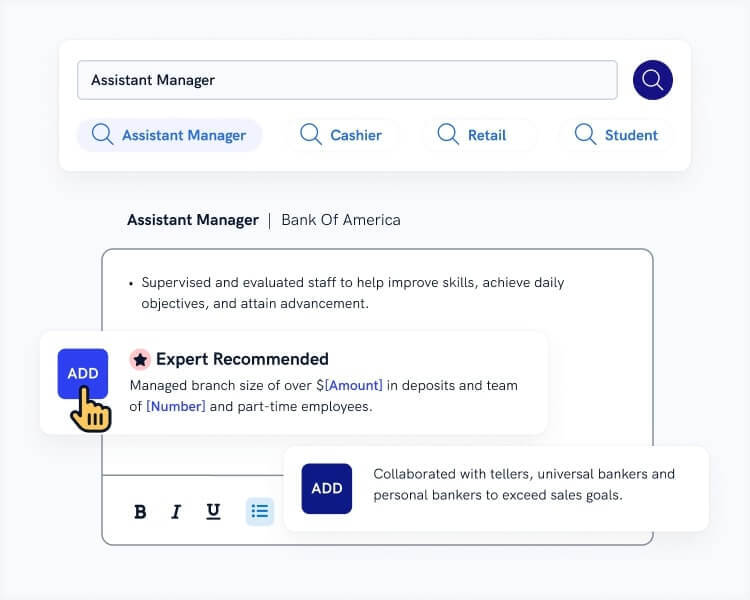
Zety’s Resume Builder can help you create a tailored resume with step-by-step prompts and ready-made content. When you’re finished, our ATS Resume Checker can score your resume and identify areas you may want to improve.
Resume Dos & Don’ts: Final Checks Before You Apply
Before submitting your resume, check it from an employer’s perspective. Every section should help show why you’re qualified for this particular job. Use the final checklists below to catch common resume mistakes before you apply.
Resume Dos
Follow these best practices to keep your resume relevant, clear, and easy to review:
- Tailor the content. Make every section relevant to the target role.
- Use specific action verbs. Start experience bullets with verbs that accurately describe what you did.
- Show accomplishments. Include measurable results or meaningful outcomes where appropriate.
- Use keywords naturally. Reflect relevant terminology from the job description when it accurately describes your experience.
- Keep formatting consistent. Check fonts, spacing, headings, dates, and alignment.
- Follow instructions. Meet the employer’s requirements for file type, content, and application materials.
- Proofread carefully. Check both the writing and the final exported file.
- Update your master resume. Add new accomplishments while they’re still easy to remember.
Resume Don’ts
Avoid these common mistakes that can distract from your qualifications or weaken your application:
- Don’t send the same resume everywhere. Adjust the emphasis for each target role.
- Don’t rely on buzzwords. Support qualities such as leadership or teamwork with evidence.
- Don’t include irrelevant personal information. Keep the focus on job-related qualifications.
- Don’t invent accomplishments. Verify AI-generated language, metrics, and claims before using them.
- Don’t overdesign the document. Avoid unnecessary graphics or complicated layouts.
- Don’t list references unless requested. Employers can ask for them separately when needed.
Frequently Asked Questions
What are the top five tips for a resume?
The top five resume tips are to tailor your resume to the job, highlight accomplishments instead of only listing duties, use relevant keywords naturally, keep the formatting clear and consistent, and proofread everything before submitting. Your resume should make your most relevant qualifications easy to find while providing specific evidence of the value you’ve brought to previous roles.
What are common resume mistakes?
Common resume mistakes include submitting the same resume to every employer, listing responsibilities without accomplishments, using vague buzzwords, including irrelevant information, and overlooking spelling or formatting errors. Complicated layouts can also make a resume harder to read. Before applying, compare your resume with the job description and confirm that every major section supports your candidacy for that particular role.
How far back should a resume go?
A resume should go back far enough to show the experience that’s relevant to the job, rather than following one rigid cutoff. Recent positions usually deserve the most detail, while older unrelated jobs can often be shortened or removed. Keep older experience when it demonstrates specialized skills, achievements, or qualifications that are important to the position you’re pursuing.
How do I make my resume stand out?
To make your resume stand out, show specific evidence that you’re qualified for the job. Tailor the content to the employer’s requirements, highlight relevant accomplishments, quantify results when possible, and use clear action verbs. A distinctive design isn’t necessary. A focused resume that makes your skills, experience, and impact easy to understand can be much more effective.
What are three things employers look for in a resume?
Three things employers commonly look for in a resume are relevant experience, job-related skills or credentials, and evidence of accomplishments or results. Priorities vary by position, so candidates should use the job description to decide which qualifications to emphasize.
About Zety’s Editorial Process
This article has been reviewed by our editorial team to make sure it follows Zety’s editorial guidelines. We’re committed to sharing our expertise and giving you trustworthy career advice tailored to your needs. High-quality content is what brings over 40 million readers to our site every year. But we don’t stop there. Our team conducts original research to understand the job market better, and we pride ourselves on being quoted by top universities and prime media outlets from around the world.

Follow Zety as a preferred source in Google
Get more resume writing tips, career insights, and workforce trends in your personalized search experience. Learn more >

Share:


