














Table of Contents
Get more resume writing tips, career insights, and workforce trends in your personalized search experience.
You started a degree but didn’t finish it. Now you’re wondering, “Should I include my unfinished degree on my resume or leave it off?”
Here’s the good news: An unfinished degree can still work in your favor. Employers care about the skills and knowledge you gained, not just the diploma. The key is knowing how to present your incomplete degree clearly and honestly.
In this guide, you’ll discover when to include an unfinished degree on your resume, how to format it the right way, and examples to help you do it with confidence.
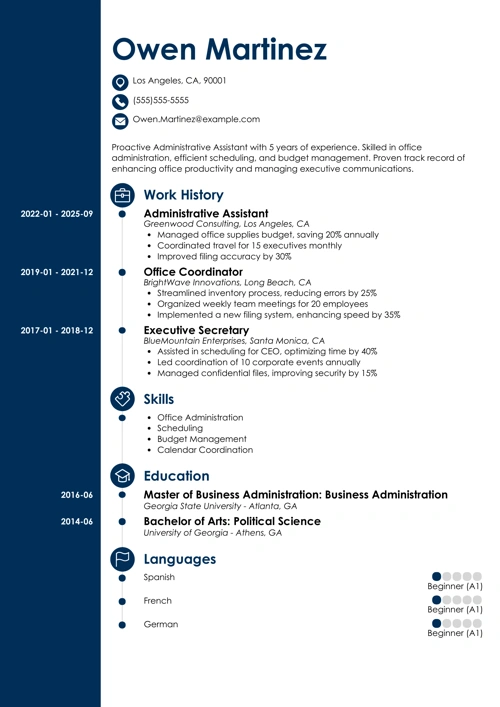
Want to save time and have your resume ready in 5 minutes? Try Zety’s Resume Builder. It’s fast and easy to use. Plus, you’ll get ready-made content to add with one click.
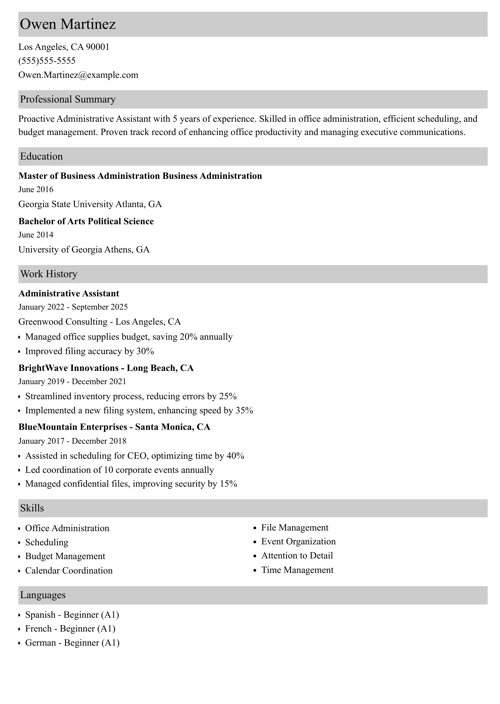
Sample resume made with our builder—Find your resume sample here.
One of our users, Chris, had this to say:
You cannot go wrong with Zety. The company does best at enhancing your resume and helping market yourself better to land the job you love.
Should You Include an Unfinished Degree on Your Resume?
You should include an unfinished degree on your resume if it’s relevant to the job or shows useful skills. If it doesn’t relate to the role or adds confusion, it’s better to leave it off.
Listing some college on a resume can still show progress, knowledge, and commitment. It tells employers you’ve gained training in a certain area, even if you didn’t finish the program.
When to Include an Unfinished Degree on Your Resume
Include an unfinished degree on your resume if:
- The coursework relates to the job you’re applying for.
- You gained skills that match the role.
- It helps fill a gap in your work history.
- You’re still actively working toward the degree.
- You’re changing careers, and your coursework supports your new field.
When to Leave an Unfinished Degree Off Your Resume
Leave off an unfinished degree if:
- The degree isn’t related to the job.
- It’s very outdated and no longer relevant.
- It makes your resume confusing or cluttered.
- You have more relevant education or experience to highlight.
- You started the degree a long time ago and haven’t used those skills since.
The most important thing is to keep it simple and accurate. As long as you don’t suggest you graduated, an unfinished degree can still add value to your resume.
How Do You List an Unfinished Degree on a Resume?
List your unfinished degree in the education section of your resume, including the school name, the degree you were or are currently working toward, and your dates of attendance. You can also add details like relevant coursework or credits if they support your application.
If You’re Still in School
If you’re still working toward your degree, list it as “in progress” or include your expected graduation date. This shows employers you’re actively studying and when you plan to finish.
Keep it simple and place it in your education section with your school and program. If your coursework relates to the job, you can also add a few relevant classes below your degree.
Here’s an example of how to list an in-progress degree on your resume:
In Progress Degree
Education
BA in Psychology, expected June 2026 University of Washington | Seattle, WA
- Relevant Coursework: Cognitive Psychology, Research Methods, Statistics
Pro Tip: Place your education section above your work experience if it’s recent or relevant to the job. Otherwise, keep it below so your experience stands out more. This helps employers quickly see your academic progress and shifts the focus away from limited experience.
If You Have an Incomplete Degree
If you have an incomplete degree, you can still list it on your resume. The goal is to show what you started without making it seem like you finished. Keep it short and honest. Don’t try to explain why you didn’t finish. Instead, focus on the skills, credits, and experience you do have.
Use phrases like “coursework toward” or “completed coursework in.” In addition to relevant coursework, you can add the number of credits earned and any notable honors, like Dean’s List semesters or departmental scholarships.
Here’s an example of how to put some college on a resume:
Incomplete Degree
Education
Coursework toward a BA in Communications University of Florida | Gainesville, FL | 2021–2023
- Completed: 45/120 credits
- Dean’s List: Fall 2022
- Completed Courses: Public Speaking, Media Writing, Digital Marketing
Unfinished Degree on Resume Examples
Below are examples of how to list unfinished degrees of various levels on your resume. Keep it honest and clear so employers can quickly see your education status and progress.
Incomplete Associate Degree
You can still list an incomplete associate degree on your resume if it shows useful coursework or helps explain your educational background. Include the credits you completed and any relevant classes you took so that employers understand your progress.
Here’s an example of how to list an unfinished associate degree on a resume:
Incomplete Associate Degree
Education
30 credits toward an AA in Business Administration Seattle Central College, Seattle, WA
- Relevant Coursework: Accounting Basics, Business Law, Economics
Incomplete Bachelor’s Degree
If you’re adding an incomplete bachelor’s degree to your resume, keep the focus on your relevant accomplishments, like coursework, projects, or credits earned.
If the degree isn’t relevant or doesn’t add value, you can leave it out and highlight certifications or work experience instead.
Here’s a sample education section with an incomplete bachelor’s degree:
Incomplete Bachelor’s Degree
Education
60/120 credits toward a BA in Computer Science Arizona State University, Tempe, AZ | 2021–2023
- GPA: 3.7
- Relevant Coursework: Programming Fundamentals, Data Structures, Web Development
- Projects: Built a personal portfolio website using HTML, CSS, and JavaScript
Only include your GPA on your resume if it helps your application. For example, a strong GPA (3.5 or higher) can be added for recent or relevant education. If your GPA is lower or not available, leave it off and focus on your coursework, credits, or skills instead.
Incomplete Master’s Degree
If you have an incomplete master’s degree, you can list it alongside any completed degrees on your resume if it helps show higher-level training or skills that match the job.
Here’s an example with a completed bachelor’s degree and an incomplete master’s degree:
Incomplete Master’s Degree
Education
Master’s Coursework in Business Administration University of Texas at Austin, Austin, TX | 2022–2023
- Focused Study Areas: Leadership, Financial Analysis, Strategic Marketing
- Capstone Project: Analyzed small business growth strategies for a local company
Bachelor of Arts in Business Administration University of Oregon, Eugene, OR | 2018–2022
- Key Coursework: Marketing Principles, Organizational Behavior, Managerial Economics
Pro Tip: Make this section work for you. Highlight advanced coursework or relevant projects that show real-world skills. Keep anything unrelated short, or leave it off your resume.
Alternatives to College Degrees to Add to Your Resume
If you don’t want to list an incomplete degree on your resume, you still have plenty of options for showcasing continuing education and skills. Employers care about what you can do, and things like certifications, training programs, and hands-on learning can all help prove that.
Here are some strong alternatives to college degrees to include on your resume:
- Online courses: Completed training from platforms like Coursera or Udemy
- Bootcamps: Intensive programs in tech, design, data, or business
- Certifications: Industry-recognized credentials or job-relevant certifications like Google Career Certificates, CompTIA, or Project Management Professional (PMP)
- Professional training programs: Employer-led or industry training courses
- Workshops and seminars: Short-term learning focused on specific skills
- On-the-job training: Skills learned directly through work experience
Only list training that’s relevant to the job you’re applying for. This keeps your resume focused and easy to read while still showing what makes you a great fit for the job.
Making a resume with our builder is incredibly simple. Follow our step-by-step guide, use ready-made content tailored to your job, and have a resume ready in minutes.
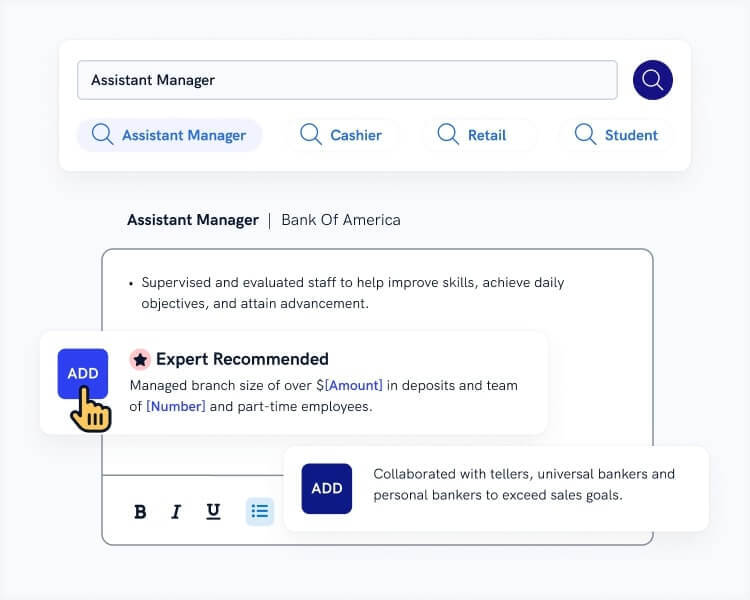
When you’re done, Zety’s Resume Checker will score your resume and show you exactly how to improve it.
How to Address Incomplete Education in a Cover Letter
If you didn’t finish your degree, you can still mention it in your cover letter—just keep it short and simple. The goal is to be honest, then quickly move the attention to your skills and experience.
There’s no need to explain the full story. Instead, highlight what you learned and how you’ve used it since then. The key is to stay positive and confident when you write your cover letter.
Here’s an easy way to think about it:
- Mention your education in one quick line.
- Point out useful skills or coursework.
- Move right into your experience or strengths.
For example:
I completed coursework toward a BA in Communications at the University of Florida, where I focused on writing and media studies. Since then, I’ve gained hands-on experience in content creation and digital marketing, building strong writing and editing skills along the way.
Don’t dwell on the unfinished degree. Keep the spotlight on what you can do and the results you’ve gotten so far. You can use our Cover Letter Generator for content ideas to get started.
Tips for Presenting Your Education Positively
When you’re listing an unfinished degree on your resume, show what you can do, not what’s missing. You don’t need to overexplain—just focus on your strengths and keep things clear and confident.
Here are a few tips:
- Lead with your strongest sections. If your degree is incomplete, place sections like skills and experience above education so your most valuable strengths are seen first.
- Focus only on relevant details. To create a targeted resume, only include education that directly supports the job you’re applying for, and remove anything that doesn’t.
- Use clear labels. Start your education entry with wording like “Coursework toward BA,” “In progress,” or “Completed [X of Y] credits” so employers immediately understand your education status and don’t mistake an incomplete degree for a complete one.
- Turn coursework into skills. Instead of only listing classes, describe what you did with them, such as “Built simple websites using HTML and CSS in coursework.”
Key Takeaways
Whether or not you completed your degree takes a back seat to the value that it can add to your resume. Keep these points in mind when you’re listing an unfinished degree on your resume:
- You can include an unfinished degree if it adds value. Only list it if it shows relevant skills, training, or progress toward the job you want.
- Be clear and honest about your status. Use simple labels like “coursework toward,” “in progress,” or “credits completed” so employers don’t assume you graduated.
- Focus on what you have completed. Highlight coursework, credits, and projects that show real skills and match the role.
- Put your strongest content first if needed. If your degree is unfinished, lead with skills, experience, or certifications instead of education.
- Keep your resume clean and relevant. Only include education details that help you get the job, and leave out anything that adds confusion or clutter.
Frequently Asked Questions
What is an unfinished degree?
An unfinished degree is a college or university program you started but didn’t complete. This can mean you took some classes but left before graduating. Even without a diploma, you likely still gained useful knowledge and skills.
Listing an unfinished degree on a resume shows employers the education and training you’ve completed and highlights your commitment to learning. This can strengthen your resume, especially when the coursework relates to the job you’re applying for.
How do I write an unfinished degree on a resume?
To write about an unfinished degree on your resume, include the school name, the degree you were pursuing, and the years you attended.
You can also add relevant coursework or credits earned if they relate to the job. Use phrases like “Coursework toward BA in Psychology” or “Completed 60 credits toward BS in Computer Science” to show progress without implying you graduated.
Should I put education on my resume if I dropped out?
Yes, you should put education on your resume even if you dropped out, especially if it adds value to your candidacy.
List it when your coursework or skills are relevant to the job, or if it helps fill gaps in your experience. Skip it if it’s unrelated, very outdated, or makes your resume confusing. Always be honest and show clearly that the degree wasn’t completed.
What do you put on your resume if you didn’t finish college?
If you didn’t finish college, you don’t have to focus only on your unfinished degree. You can include additional resume sections that show your skills and experience.
Consider adding relevant certifications, training, professional courses, any awards or honors, volunteer work, and strong work experience. If you list your education, keep it short and straightforward, then let these other sections show your value to employers.
How do you put a pending degree on a resume?
To list a pending degree on your student resume, make it clear that you haven’t finished school yet. Include the school name, the degree, and your expected graduation date or years attended.
You can use phrases like “BA in Business Administration, expected 2025” or “BS in Biology, in progress.” This shows employers you’re actively working toward your degree while keeping your resume honest and transparent.
About Zety’s Editorial Process
This article has been reviewed by our editorial team to make sure it follows Zety’s editorial guidelines. We’re committed to sharing our expertise and giving you trustworthy career advice tailored to your needs. High-quality content is what brings over 40 million readers to our site every year. But we don’t stop there. Our team conducts original research to understand the job market better, and we pride ourselves on being quoted by top universities and prime media outlets from around the world.

Follow Zety as a preferred source in Google
Get more resume writing tips, career insights, and workforce trends in your personalized search experience. Learn more >
Share:


