Table of Contents
Get more resume writing tips, career insights, and workforce trends in your personalized search experience.
What You Need to Know
- Start a cover letter with a professional header, a personalized greeting, and an opening paragraph tailored to the job.
- Address the hiring manager by name when you can. If you can’t find a name, “Dear Hiring Manager” is a professional alternative.
- Use your first line to highlight a relevant achievement, referral, connection to the company, or compelling reason you’re a strong fit.
- After your opening hook, briefly connect your qualifications to the employer’s needs and explain why you want to work there.
- Avoid generic introductions, apologies about missing qualifications, and errors in the hiring manager’s name or company details.
A strong cover letter opening gives the hiring manager a reason to keep reading. Instead of simply announcing that you’re applying, use the first few lines to show what you can offer and why you’re interested in this particular role.
Knowing how to start a cover letter for a job comes down to three things: presenting yourself professionally, making a strong first impression, and quickly connecting your experience to the employer’s needs. Below, we’ll show you how to begin a cover letter step by step, with examples you can adapt to your own application.
Want to write your cover letter fast? Use our Cover Letter Generator. Choose from 20+ professional cover letter templates that match your resume. See actionable examples and get expert tips along the way.
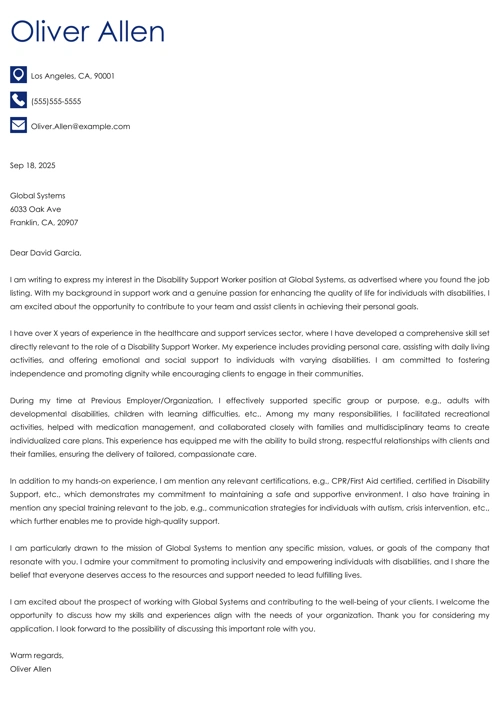
Sample Cover Letter for a Resume—See more cover letter examples here.
One of our users, Valcia, had this to say:
Zety is an excellent resume and cover letter generator with excellent customer service. I love it!
How to Begin a Cover Letter in 3 Easy Steps
To start off a cover letter effectively, focus on three parts: your header and greeting, your opening line, and the transition into the body of your letter. Each part should make it easier for the hiring manager to understand who you are, what you bring to the role, and why your application deserves a closer look.
Step 1: Set Up Your Header & Greeting
Before you write your opening paragraph, make sure the top of your cover letter looks professional. Your cover letter header should make it easy for the hiring manager to identify you and find your contact information.
Include:
- Your full name
- Phone number and professional email address
- City and state
- Date
- Hiring manager’s name and job title
- Company name and location
If you’re uploading your cover letter as a document, include your contact information, the date, and the employer’s details. A designed template may arrange these elements differently, but they should still be easy to find.
If you’re pasting your letter into an online application, follow the platform’s format and avoid repeating information it already collects.
Here’s a simple cover letter header format:
Cover Letter Header
[Your First and Last Name]
[City, State] | [Phone Number] | [Email Address]
[Date]
[Hiring Manager’s Name]
[Hiring Manager’s Job Title]
[Company Name]
[Company Address]
[City, State zip code]
Once your header is set, choose the right greeting. When you know the hiring manager’s name, address them directly (e.g., “Dear Ms. Liu” or “Dear Jordan Lee”).
Don’t know who will read your application? Check the job posting, company website, or LinkedIn to see whether you can identify the hiring manager or department lead you should address your cover letter to.
If your search comes up empty, don’t guess. Here’s how to start a cover letter without a name:
- Dear Hiring Manager,
- Dear Marketing Team,
- Dear Customer Success Hiring Team,
Choose the most specific greeting you can confidently use. Avoid outdated or impersonal greetings such as “Dear Sir or Madam” and “To Whom It May Concern.”
Your header and greeting are only the beginning. A complete cover letter should be concise and follow a clear structure that guides the reader from your introduction through your qualifications to your closing. Understanding how to write a cover letter can help you keep each section focused on what the employer needs to know.
Step 2: Write an Opening Line That Grabs Attention
Your first sentence should give the hiring manager a reason to keep reading. Instead of opening with a generic statement like “I am writing to express my interest in this position,” lead with something specific that shows your value, connection to the company, or motivation for applying.
There’s no single formula for the perfect cover letter introduction. Tailor your approach to the role, company, and experience you want to emphasize.
Here are five effective ways to start off a cover letter with examples:
Lead With a Metric or Win
A measurable achievement can immediately show an employer what you’re capable of. This approach works especially well when your past performance directly relates to the new role’s requirements.
Example With Metrics
In my current role as a web developer, I led a responsive site redesign that increased the number of returning visitors by 25%. I’m excited to bring that same focus on user experience and measurable results to the Senior Front-End Developer position at Syntacto.
Whenever possible, quantify your achievements with numbers, percentages, revenue, time saved, or another meaningful result rather than simply describing yourself as successful.
Leverage a Referral
If someone at the company encouraged you to apply, mention that connection early. A referral gives the hiring manager useful context and can help establish your credibility from the start.
Example With referral
My former colleague Jordan White recommended that I apply for the Sales Manager position at TechTime after we worked together to launch a new regional sales strategy. With five years of experience leading high-performing sales teams, I’d welcome the opportunity to bring that experience to your team.
Keep the focus on why the referral matters, not just the person’s name. Quickly connect the relationship to the skills or experience that make you a strong candidate.
If it adds useful context, you can also mention where you found the job opening, particularly if a referral or professional connection led you to it.
Connect With the Company’s Mission
Company research can give you a much stronger opening than a generic statement about wanting the job. Review the organization’s mission, values, major projects, or priorities, then connect something specific to your experience.
Example With Mission Statement
Chicago Consulting Group’s emphasis on employee development is one reason I was excited to see this opening. My 98% client satisfaction rate at Deloitte reflects the same commitment to continuous improvement, and I’m eager to bring that approach to your team.
The goal isn’t to flatter the employer—it’s to show genuine alignment between something the company values and something you can contribute.
Mention Recent Company News
A recent launch, expansion, award, initiative, or other development can also provide a natural entry point. It shows you’ve researched the organization and gives you a specific reason for reaching out.
Example With Company News
I was excited to see Johnson Corporation’s new commitment to reducing its carbon footprint. As a sustainability specialist who has helped implement emissions-reduction initiatives across three facilities, I’d welcome the opportunity to contribute to that work.
Keep company news relevant to the position. Mentioning an unrelated announcement just to prove you researched the employer can come off as forced.
Tell a Creative Story
For some roles and company cultures, a brief story can make your introduction memorable. Focus on a moment that reveals something relevant about your skills, motivation, or connection to the work.
Example With Story
The first website I ever built took an entire weekend, dozens of tutorials, and more failed attempts than I can count. Ten years later, I’m still motivated by the same challenge: finding a smarter way to make digital experiences work for people.
Creativity works best when it still serves a professional purpose. Skip jokes or attention-grabbing lines that don’t tell the employer anything meaningful about why you’re right for the role.
Show your enthusiasm right from the start! Begin your cover letter by expressing genuine excitement about the role and the company. A passionate opening sets a positive tone and can immediately grab the hiring manager’s attention.
HR Operations Manager
Step 3: Transition to the Body Paragraphs
Once you’ve caught the hiring manager’s attention, don’t switch gears abruptly. Use the next one or two sentences to connect your opening hook to the qualifications and experience you’ll expand on in the rest of your cover letter.
Your transition should answer two questions:
- Why you? Identify the experience, skills, or results that make you a strong match for the position.
- Why this company? Show why this particular role or employer interests you rather than making your letter sound interchangeable.
The first paragraph of a cover letter should include your strongest relevant qualification or connection to the role, along with a brief explanation of why you’re interested in the company or position.
For instance, say you opened with an accomplishment:
Example With Accomplishment
In my current role as a customer success manager, I increased client retention by 18% in one year. That experience taught me how much proactive customer support can influence long-term growth, which is why I was drawn to Acme’s focus on building lasting client relationships.
The first sentence provides the hook. The second connects that achievement to the employer’s needs and creates a natural transition into more detailed examples of your experience.
Or, if you started with enthusiasm for the company:
Example With Company Enthusiasm
I’ve followed Broadmoor’s expansion into renewable packaging, and I was excited to see sustainability at the center of your newest product line. As a product manager who has led three successful sustainable packaging launches, I’d welcome the opportunity to bring that experience to your growing team.
From there, your body paragraphs can provide evidence. Choose one or two qualifications from the job description and explain how you’ve used them to solve problems, deliver results, or contribute in previous roles.
The key is to keep moving forward. Your opening should introduce your strongest selling point, not tell your entire professional story. Save the details for the body of the letter, where you can show the employer how your experience matches what they’re looking for.
Make sure the rest of your letter maintains that same focus. A strong cover letter is tailored to the specific job and connects your most relevant qualifications to the employer’s priorities, rather than repeating everything on your resume.
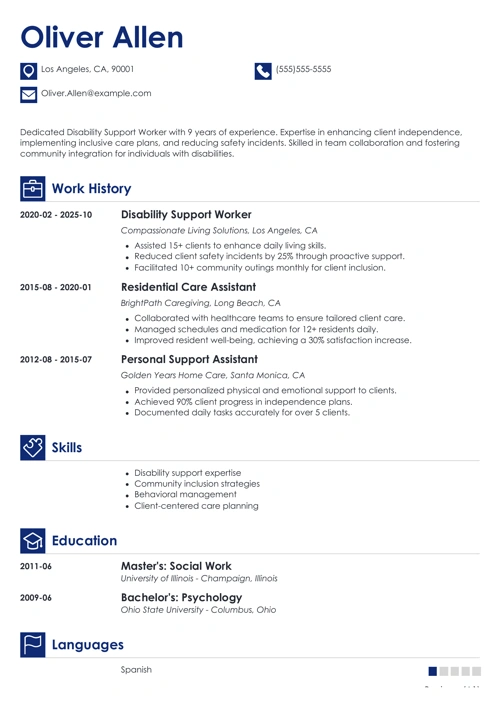
Once your cover letter is ready, confirm that your resume tells the same story. Choose a professional resume template, then use Zety’s Resume Builder to create and refine your resume.
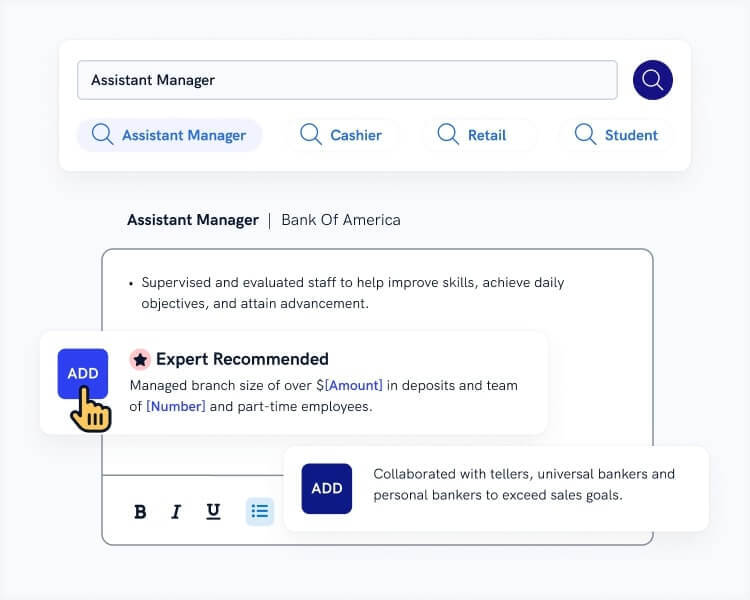
When you’re done, you can also run it through our ATS Resume Checker to identify areas for improvement before applying.
Universal Cover Letter Opening Template
Not sure which opening strategy fits your situation? Use this cover letter opening template as a starting point, then customize it with details from the job description and your own experience:
Dear [Hiring Manager’s Name],
I was excited to see the [Job Title] opening at [Company Name]. As a [Current Job Title/professional description] with [X years of experience/relevant background], I’ve developed strong skills in [relevant skill or area of expertise]. In my current/recent role, I [specific achievement or result]. I’d welcome the opportunity to bring my experience in [relevant strength] to [Company Name] and help [accomplish a goal, priority, or need relevant to the role].
The strongest cover letter introductions don’t sound like templates once they’re finished. Replace each placeholder with specific information and adjust the wording so it sounds natural to you.
Example Cover Letter Opening
Dear Ms. Liu,
I was excited to see the Marketing Manager opening at Southerton. As a digital marketer with five years of experience in content strategy and paid social campaigns, I’ve learned how to turn audience insights into measurable growth. In my current role, I increased qualified leads by 32% in one year. I’d welcome the opportunity to bring that results-focused approach to Southerton as you expand into new markets.
You can also adapt the first sentence using one of the approaches above. Lead with a referral, company initiative, or professional story instead, then use the rest of the template to connect that hook to your qualifications.
5 Cover Letter Opening Mistakes to Avoid
Even a strong candidate can lose a hiring manager’s attention with a weak cover letter introduction. Before you submit your application, check your opening for these five common mistakes:
- Apologizing for missing qualifications: Don’t lead with what you lack. Instead, highlight the experience and transferable skills you do bring, showing how your background prepares you to contribute.
- Relying on clichés and buzzwords: Skip generic phrases like “I’m a hardworking team player” or “I’m the perfect candidate.” Show your value with specifics, such as a relevant accomplishment, skill, referral, or connection to the company.
- Getting a name wrong: A personalized greeting only helps when it’s accurate. Double-check the hiring manager’s name, title, and company details, or use a professional general greeting if you can’t confidently identify the right person.
- Writing too much: Your opening isn’t the place to explain your entire career history. Aim to establish your value and interest in the role within a few sentences, then use the body of your letter to provide supporting details.
- Making the opening all about you: Employers want to know what you can contribute, not just what you hope to gain. Connect your goals to the employer’s needs by explaining why the role interests you and how your skills can help the company.
Frequently Asked Questions
What is a good opening line for a cover letter?
A good cover letter opening line immediately gives the hiring manager a reason to keep reading. Lead with a relevant accomplishment, referral, connection to the company, or strong reason for wanting the role.
For example: “In my current sales role, I increased regional revenue by 22% in one year, and I’m excited to bring that same growth-focused approach to Duncan & Jones.”
What are five common cover letter mistakes?
Five common cover letter mistakes are using a generic opening, apologizing for missing qualifications, getting the hiring manager’s or company’s name wrong, writing too much, and focusing only on what you want from the job.
Instead, tailor your letter to the position and emphasize the skills, accomplishments, and experience that show how you can contribute to the employer’s goals.
How do I start off a cover letter example?
Start off a cover letter with a professional greeting followed by a specific, engaging introduction.
For example: “Dear Ms. Chen, I was excited to see the Project Manager opening at Pine Valley Builders. In my current role, I’ve led six cross-functional projects to completion on time and under budget, and I’d welcome the opportunity to bring that experience to your team.”
Then transition into your most relevant qualifications.
How do I start a cover letter without a name?
If you don’t know the hiring manager’s name, use a professional greeting, such as “Dear Hiring Manager,” or address the appropriate team or department.
For example, “Dear Marketing Hiring Team” is more specific than “To Whom It May Concern.” Before using a general greeting, check the job posting, company website, and LinkedIn to see whether you can identify the person overseeing the position.
What are creative cover letter opening sentence examples?
Creative cover letter openings can use a brief story, unexpected accomplishment, or meaningful connection to the company while staying relevant to the job.
For example: “The first website I built took an entire weekend and dozens of failed attempts. Ten years later, solving difficult user experience problems is still my favorite part of being a developer.”
Creativity should reveal something valuable about you, not simply grab attention.
About Zety’s Editorial Process
This article has been reviewed by our editorial team to make sure it follows Zety’s editorial guidelines. We’re committed to sharing our expertise and giving you trustworthy career advice tailored to your needs. High-quality content is what brings over 40 million readers to our site every year. But we don’t stop there. Our team conducts original research to understand the job market better, and we pride ourselves on being quoted by top universities and prime media outlets from around the world.

Follow Zety as a preferred source in Google
Get more resume writing tips, career insights, and workforce trends in your personalized search experience. Learn more >

Share:


