Table of Contents
Get more resume writing tips, career insights, and workforce trends in your personalized search experience.
What You Need to Know
- Hobbies and interests can strengthen a resume when they provide relevant context about your skills, experience, or connection to the role.
- Consider adding hobbies if you’re a student, an entry-level candidate, a career changer, or otherwise have limited relevant professional experience.
- Choose around 3–5 relevant hobbies rather than filling your resume with a long list of personal interests.
- A hobby doesn’t automatically prove you have a workplace skill. Be specific about your involvement when the connection adds value.
- Skip a dedicated “Hobbies & Interests” section if your resume is already full of stronger, job-relevant qualifications.
You don’t have to put hobbies and interests on a resume, but the right ones can add useful context about your skills, experience, and interests outside of work. What matters most is how relevant your hobbies and interests are to the job you’re applying for.
This guide covers 120+ hobbies for a resume, which ones to choose, and how to present them without taking attention away from your qualifications.
Want to build your resume as you go? Explore Zety’s free resume templates and use our Resume Builder to organize your experience, skills, education, and other relevant sections.
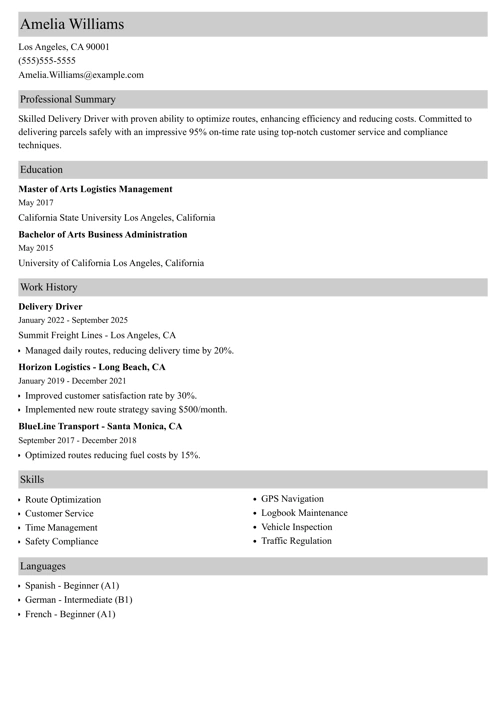
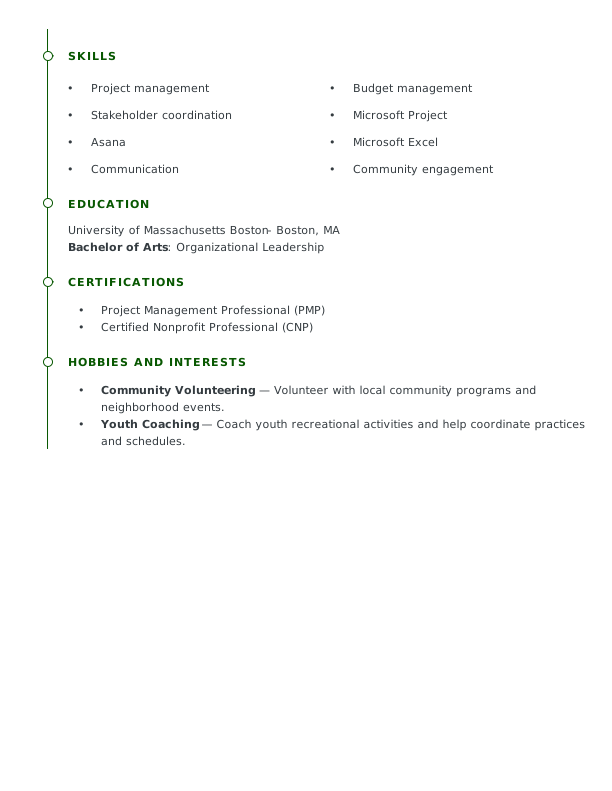
Sample resume made with our builder—See more resume examples here.
One of our users, Brittanya, had this to say:
Zety really helped me create the best resume possible. It pointed out how things could be better on my existing resume and suggested many things to be reworded or removed.
Should You Put Hobbies & Interests on a Resume?
You should put hobbies and interests on your resume when they add relevant information that isn’t already clear from your work experience, education, or skills. They can be especially useful for students, entry-level candidates, career changers, and people whose outside activities connect to the role.
Consider including hobbies and interests if:
- You have limited professional experience and want to provide additional evidence of transferable skills.
- You’re changing careers and the activity relates to your new field.
- A hobby has led to measurable experience, such as organizing events, coaching a team, running a blog, or leading a community group.
- The activity is directly relevant to the job or organization.
Hobbies generally shouldn’t hurt parsing by applicant tracking systems (ATS) simply because they appear on a resume, but they also shouldn’t replace job-specific keywords, qualifications, or experience. Resume conventions can vary by employer, industry, and location, so follow the expectations of the role and region you’re applying to.
What’s the Difference Between Hobbies & Interests on a Resume?
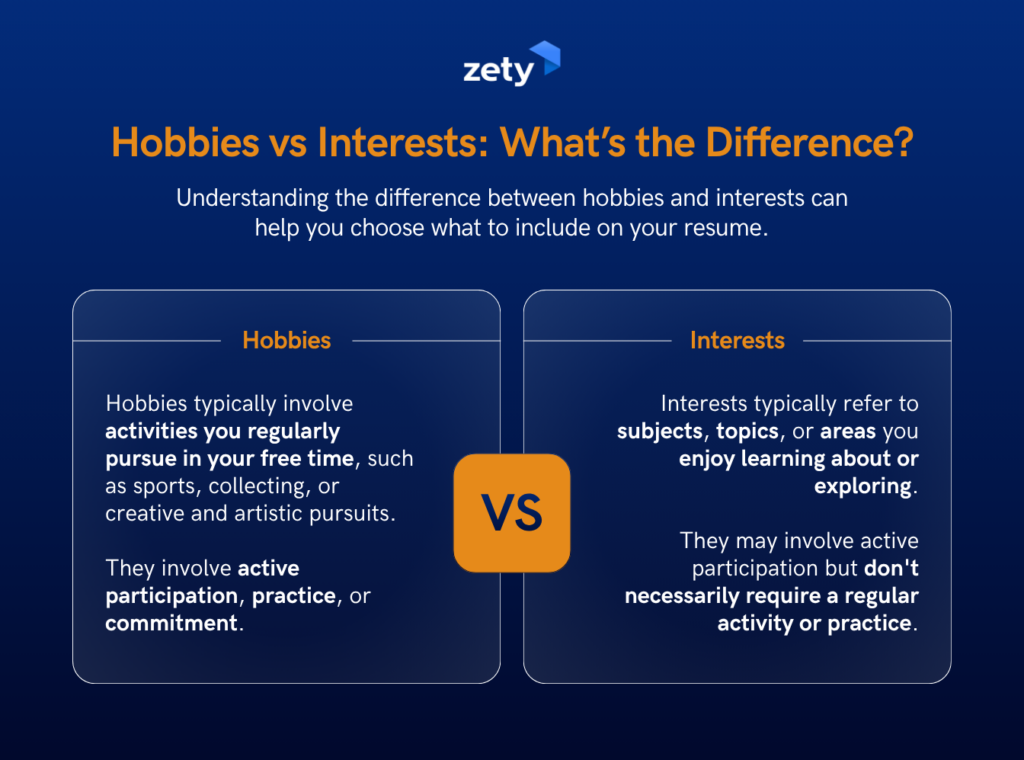
A hobby is an activity you actively participate in, such as photography, running, coding, or playing an instrument. An interest is a broader subject or topic you enjoy, such as architecture, emerging technology, or environmental sustainability.
Pro Tip: You don’t need to disclose personal information to make your resume memorable. Choose activities you’re comfortable discussing with an interviewer and that contribute useful context to your application.
What Hobbies Should You Put on a Resume?
The best hobbies to put on a resume connect naturally to the job, your experience, or a transferable skill. Consider what you actually do, how involved you are, and whether the activity adds useful information to your application.
For example, simply writing “photography” tells an employer little. Running a photography club, photographing community events, or maintaining a portfolio provides more useful context.
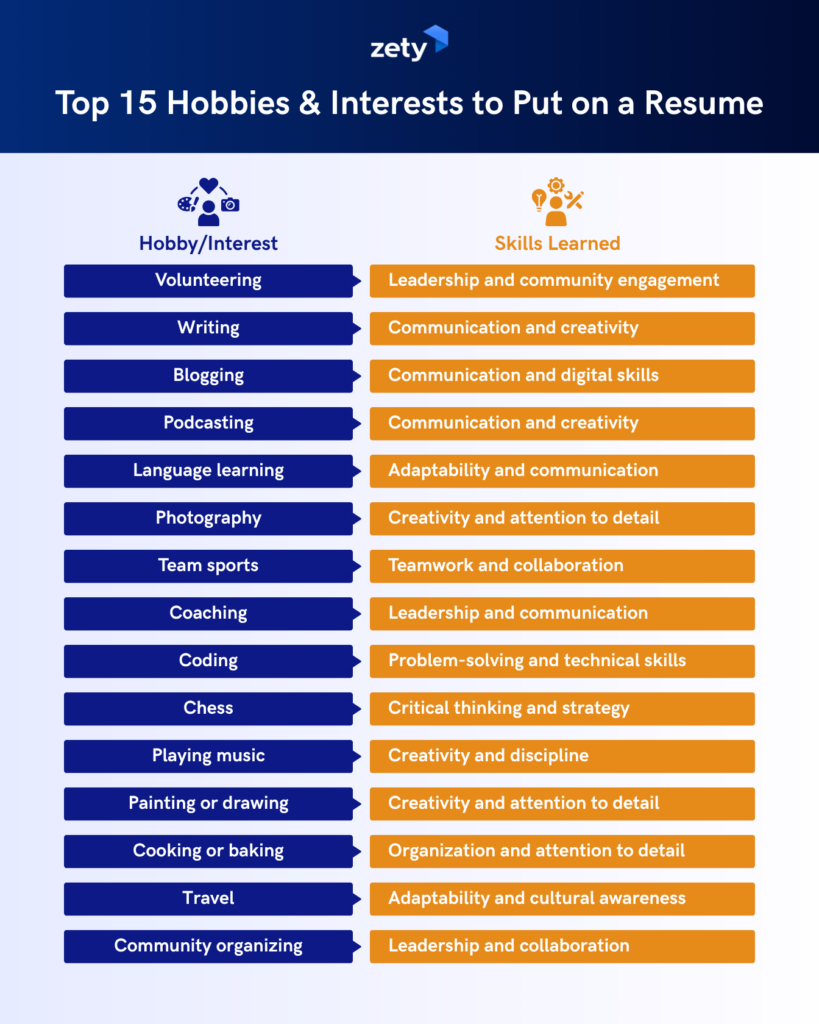
Here are 120+ ideas organized by skills they may help you highlight:
Hobbies That Showcase Creativity & Innovation
Creative hobbies can provide context for roles involving ideas, content, design, or new approaches to problems. They’re most useful when you can point to something you’ve created, practiced, published, performed, or improved rather than relying on the activity itself to prove creativity.
- Acting
- Animation
- Crafting
- Creative writing
- Crocheting
- Dance
- Digital art
- Drawing
- Embroidery
- Filmmaking
- Graphic design
- Illustration
- Interior design
- Knitting
- Music composition
- Painting
- Photography
- Playing an instrument
- Poetry
- Pottery
- Scrapbooking
- Sculpting
- Sewing
- Singing
- Sketching
- Theater
- Video editing
- Woodworking
Hobbies That Showcase Leadership & Teamwork
Activities that involve coordinating, teaching, mentoring, or working toward a shared goal can help illustrate leadership skills and teamwork experience.
- Baseball
- Basketball
- Bowling leagues
- Club leadership
- Coaching
- Community organizing
- Community service
- Dance groups
- Event planning
- Football
- Fundraising
- Hockey
- Mentoring
- Professional associations
- Soccer
- Softball
- Theater groups
- Trivia teams
- Volleyball
- Volunteering
- Youth group leadership
The connection is strongest when you can describe your actual commitment, such as training consistently for a marathon, maintaining a detailed collection, or following a regular practice schedule.
Hobbies That Showcase Communication Skills
Your hobbies can demonstrate your communication skills and support your resume when they involve writing, presenting, teaching, performing, interviewing, or communicating with an audience. Hobbies like blogging, podcasting, and social media content creation may also complement relevant marketing skills.
- Blogging
- Book clubs
- Community outreach
- Debate
- Film reviewing
- Improv
- Music reviewing
- Podcasting
- Public speaking
- Social media content creation
- Storytelling
- Teaching classes
- Toastmasters
- Tutoring
- Writing book reviews
Be specific about your involvement rather than assuming the hobby speaks for itself. “Published a weekly film blog,” for example, says more about your experience than simply listing “writing.”
Hobbies That Showcase Critical Thinking & Problem-Solving
Problem-solving hobbies can add useful context for jobs that involve analysis, troubleshooting, strategy, or working through complex challenges. Activities such as coding, robotics, and electronics may also provide context for your technical expertise.
- Chess
- Coding
- Competitive gaming
- Computer building
- Crosswords
- DIY projects
- Electronics
- Escape rooms
- Geocaching
- Jigsaw puzzles
- Logic puzzles
- Robotics
- Scrabble
- Strategy board games
- Sudoku
- Trivia
These hobbies don’t automatically establish professional skills, but they can give you concrete experiences to discuss with an employer.
Hobbies That Showcase Discipline & Organization
Hobbies that require regular practice, planning, tracking, or long-term commitment may provide useful context for qualities such as consistency, time management, and organization.
- Baking
- Collecting coins
- Collecting stamps
- Collecting vintage items
- Cycling
- Fitness training
- Gardening
- Journaling
- Maintaining an aquarium
- Marathon training
- Meal planning
- Personal budgeting
- Practicing an instrument
- Running
- Swimming
- Weightlifting
- Yoga
The connection is strongest when you can describe your actual commitment, such as training for a marathon, maintaining a collection, or following a regular practice schedule.
Hobbies That Showcase Adaptability & Resilience
Activities that put you in unfamiliar situations or require sustained practice may show adaptability, persistence, and a willingness to learn.
- Backpacking
- Boxing
- Camping
- Climbing
- Endurance sports
- Hiking
- Horseback riding
- Kayaking
- Language learning
- Martial arts
- Online courses
- Sailing
- Scuba diving
- Skiing
- Trail running
- Travel
- Trekking
- Wilderness survival training
Endurance sports, martial arts, travel, and learning new skills may also give you experiences to draw from when discussing how you handle stress and pressure.
Hobbies That Showcase Attention to Detail
Detail-oriented hobbies may be relevant when they require precision, careful observation, or following a multistep process. Activities such as baking, calligraphy, model building, and photography can provide useful context for jobs where accuracy matters.
- Birdwatching
- Cake decorating
- Calligraphy
- Cooking
- Miniature painting
- Model building
- Restoring vintage items
- Watch repair
Describe your level of involvement or accomplishments rather than assuming the hobby itself proves you’re detail-oriented.
Hobbies That Showcase Cultural Awareness & Community Engagement
Community and cultural activities can build broadly useful employability skills and add context to experiences you’ve had outside the workplace, especially when they involve volunteering, language learning, travel, or participation in local organizations.
- Art galleries
- Community events
- Community gardening
- Community theater
- Cultural festivals
- Cultural organizations
- Environmental cleanups
- Food and culinary groups
- Genealogy
- Historical society involvement
- International cooking
- Local history
- Museum visits
- Neighborhood associations
- Travel blogging
- Youth mentoring
Where & How to List Hobbies on a Resume
List hobbies where they add the most useful context, usually in a short Hobbies & Interests section near the bottom of the resume. More substantial activities may belong in your experience, projects, education, or summary instead.
Decide Which Hobbies to Include
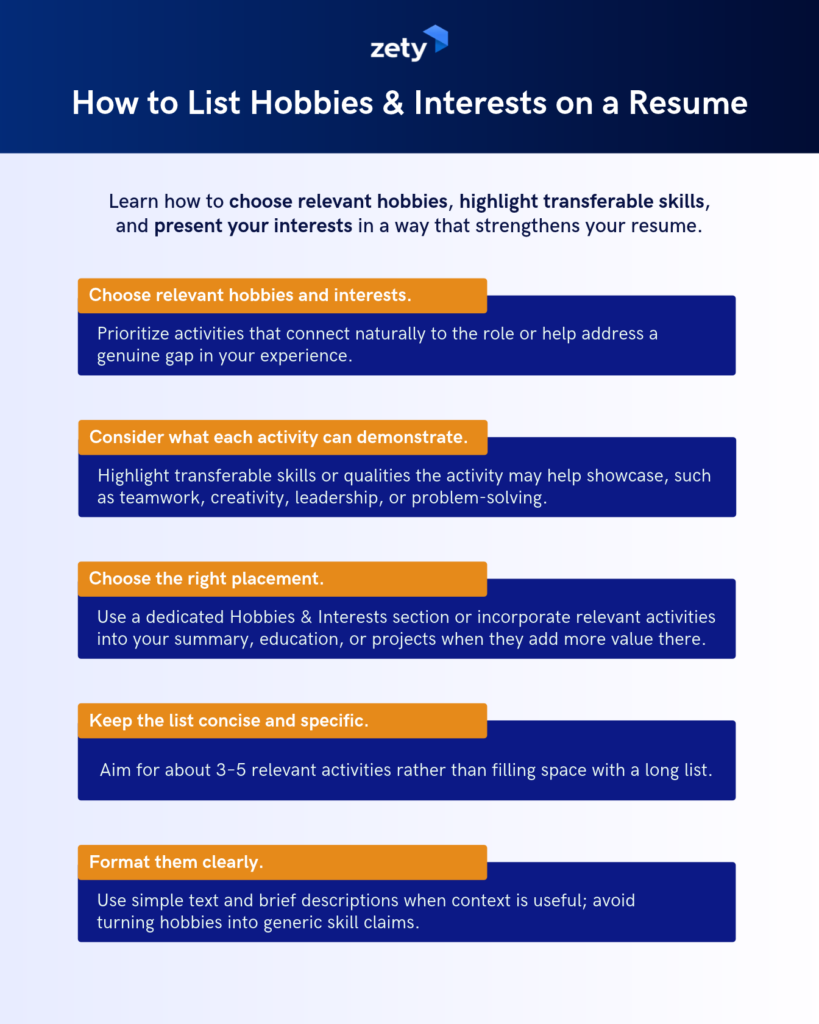
Choose three to five hobbies that are genuine, relevant, and worth the space they take up on your resume. Think of this as a practical range, not a requirement, and use fewer if only one or two genuinely strengthen your application.
Start with the job description. Look for skills, responsibilities, and qualities the employer emphasizes, then consider whether any of your outside activities provide meaningful supporting context.
Don’t choose a hobby simply because you think it makes you look like the “right” candidate. The activity should be genuine and relevant, and you should be comfortable discussing it in an interview.
Choose the Right Resume Section
Most hobbies belong in a dedicated section near the bottom of a resume, but significant activities may fit better elsewhere. An activity involving substantial leadership, project work, volunteering, or paid experience may deserve placement in a main resume section instead.
For instance, a casual interest in photography can go under “Hobbies & Interests.” Freelance wedding photography belongs in your work experience. Building an app for fun could become a project, while serving as president of a university club may fit under education or leadership experience.
Format Hobbies & Interests Clearly
Keep this section short, specific, and easy to scan. Use a clear heading and concise bullets or phrases that provide enough context to understand the activity. Full descriptions aren’t necessary unless they establish relevant experience, accomplishments, or skills.
Less effective:
- Football
- Reading
- Traveling
More effective:
- Volunteer youth soccer coach
- Member of a monthly historical fiction book club
- Travel photography with a portfolio of 200+ edited images
You don’t need a paragraph explaining every hobby—a few words of context can make an activity much more informative.
Show the Connection When It Adds Value
Consider whether the activity provides meaningful supporting evidence for the role. Specificity is more convincing than simply telling an employer what a hobby supposedly proves. Simply writing “Photography: Creative and detail-oriented” asks the employer to accept your interpretation without evidence.
For example, a graphic designer could write:
Photography: Photograph and edit community events; maintain an online portfolio of 150+ images.
Specific hobbies can also become natural conversation starters during an interview.
Resume Examples With Hobbies
Hobbies can serve different purposes at different career stages. Entry-level candidates can use them to supplement limited experience, career changers can highlight relevant activities outside work, and experienced professionals should include them selectively when they add meaningful context.
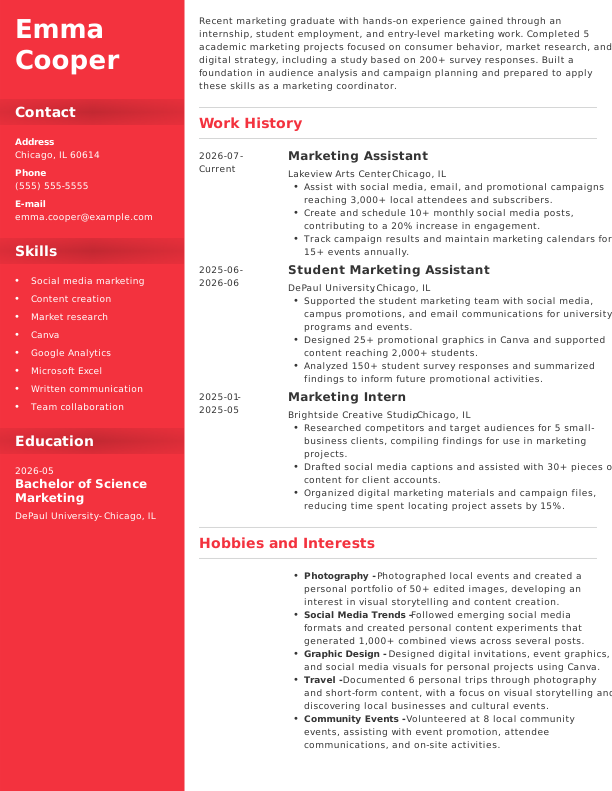
Entry-Level Resume
An entry-level candidate can use hobbies to supplement limited work experience with activities that show involvement, initiative, or relevant interests. If you’re writing a resume with no work experience, you can also use projects, volunteer activities, and student organizations to build a stronger picture of your qualifications.
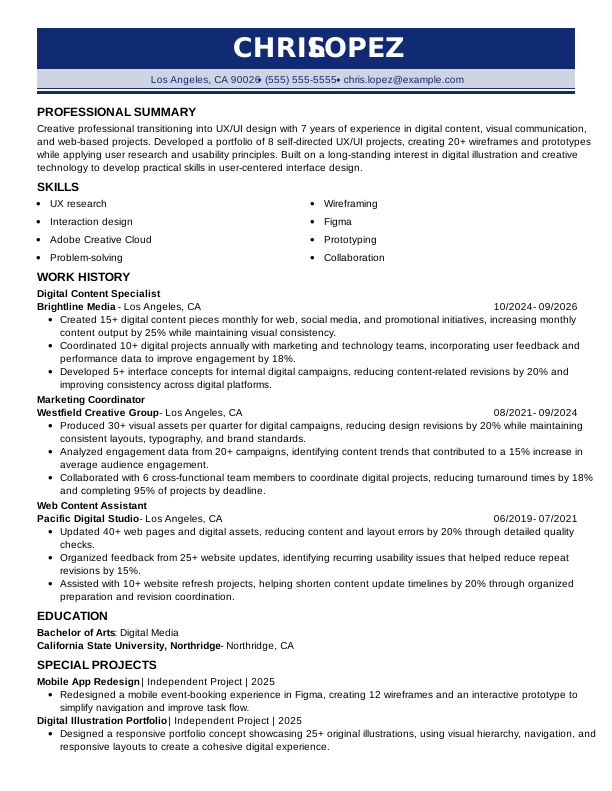
Career Changer Resume
A career changer can use a hobby to connect existing experience with skills relevant to a new field without forcing the connection.
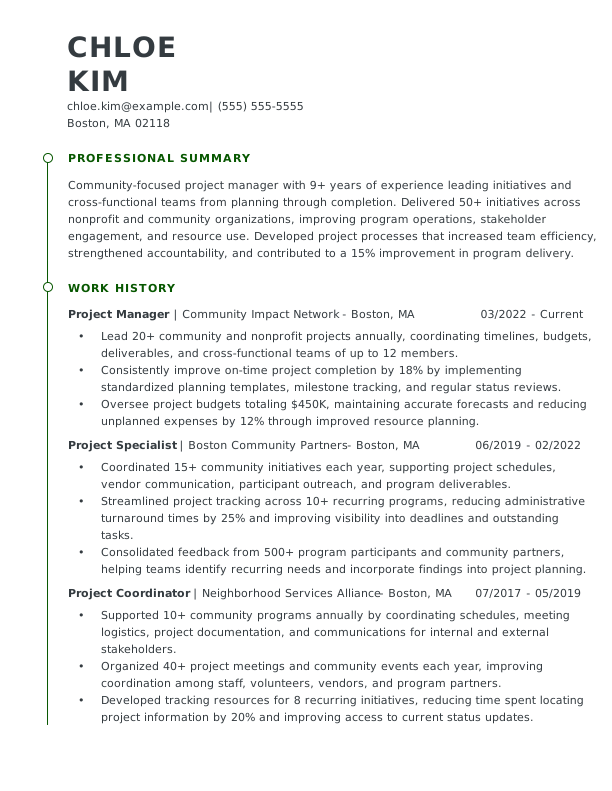
Experienced Professional Resume
An experienced professional should include hobbies selectively, especially when the activity adds information not already evident from years of work experience. Certifications, publications, language skills, and volunteer work may deserve their own resume sections when they’re more relevant to the position than personal hobbies.
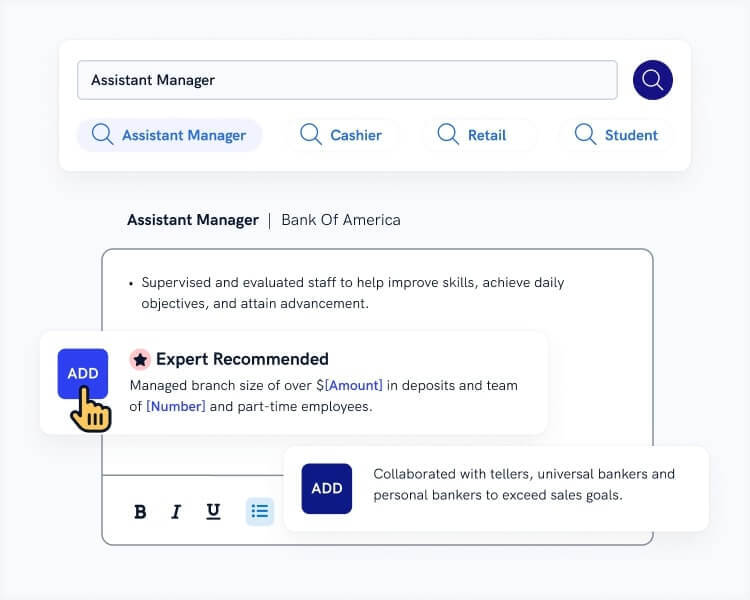
Ready to put your resume together? Zety’s free Resume Builder can help you organize each section, while the ATS Resume Checker can identify areas you may want to improve.
What Hobbies Should You Leave Off a Resume?
Leave hobbies off your resume when they don’t add useful information about your qualifications, take space away from stronger content, or reveal personal information you’d rather keep private. The goal isn’t to hide who you are—it’s to make every part of your resume useful to the employer.
You may want to omit:
- Irrelevant activities: A hobby that has no meaningful connection to your candidacy may not deserve limited resume space.
- Very general interests: “Music,” “movies,” or “spending time with friends” usually provide little context unless you can make them more specific and relevant.
- Highly personal information: You’re not obligated to disclose activities connected to your private life, beliefs, identity, family, or health.
- Potentially distracting details: Political, religious, or advocacy activities aren’t inherently inappropriate, but consider whether disclosing them serves your professional goals and whether you’re comfortable discussing them with an employer.
- Activities you can’t discuss comfortably: Never add an impressive-sounding hobby just because you think an employer wants to see it.
Unconventional or physically demanding hobbies don’t automatically need to be excluded. If an activity is genuine, relevant, and appropriate for the space available, evaluate it the same way you would any other hobby.
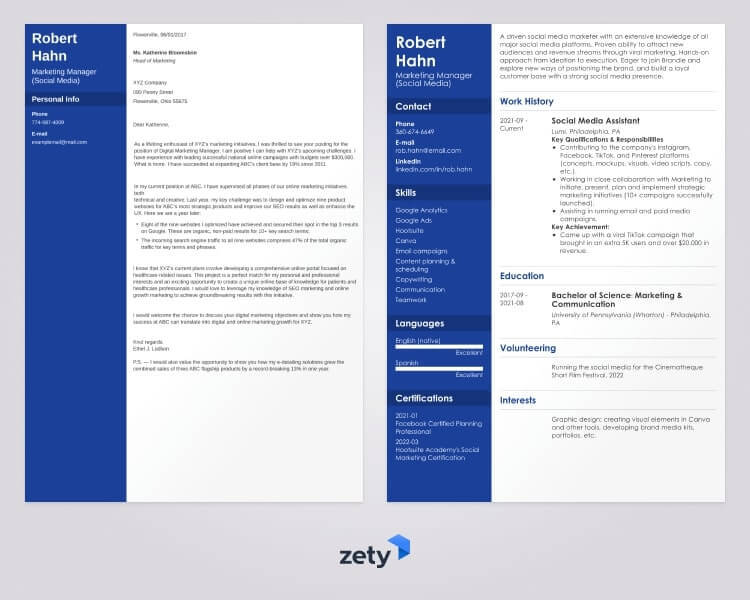
Once your resume is ready, create a matching cover letter with Zety’s Cover Letter Generator or choose a cover letter template and start writing.
Key Takeaways
- Choose activities that add relevant context about your experience, skills, or connection to the role.
- Prioritize 3–5 strong examples rather than filling space with a long list.
- Be specific about what you do when additional context makes the activity more meaningful.
- Put casual activities in a dedicated section, but move substantial projects, leadership, volunteer work, or paid activities to stronger resume sections when appropriate.
- Tailor your choices to the position without inventing or exaggerating interests.
- Leave hobbies off entirely when your resume already has stronger, more relevant information competing for space.
Frequently Asked Questions
How do you list hobbies on a resume?
List hobbies on a resume in a short “Hobbies & Interests” section, usually near the bottom of the page. Choose a few activities that add relevant context, and make them specific when possible. For example, “volunteer youth basketball coach” provides more information than simply writing “basketball.” Significant activities may fit better under experience, projects, education, or volunteer work.
What is the three-hobby rule?
The three-hobby rule is an informal suggestion to list three hobbies on a resume, not a universal resume requirement. A practical guideline is to include around three to five relevant hobbies, but quality matters more than hitting a particular number. If only one or two activities strengthen your application, list those rather than adding unrelated interests just to reach three.
What are good interests to put on a resume?
Good interests to put on a resume are genuine activities that connect naturally to the position or provide useful context about your experience. Examples include volunteering, coding, photography, writing, language learning, coaching, community organizing, sports, music, and creative projects. The strongest choice depends on the job, so focus on relevance rather than choosing an interest because it sounds impressive.
How many hobbies should I list on my resume?
Most job seekers who include hobbies can limit the section to about three to five relevant activities. There’s no required number, and you may need fewer if resume space is limited. Prioritize professional experience, education, skills, and other qualifications first. A shorter list of specific, relevant hobbies is usually more useful than a long collection of unrelated interests.
Should I tailor my hobbies to the job?
Yes, you should tailor the hobbies on your resume by prioritizing genuine activities that are most relevant to the job. Review the job description for important skills and responsibilities, then consider whether your real hobbies provide supporting context. Don’t claim an interest you don’t actually have or force a connection simply because you think it will appeal to an employer.
About Zety’s Editorial Process
This article has been reviewed by our editorial team to make sure it follows Zety’s editorial guidelines. We’re committed to sharing our expertise and giving you trustworthy career advice tailored to your needs. High-quality content is what brings over 40 million readers to our site every year. But we don’t stop there. Our team conducts original research to understand the job market better, and we pride ourselves on being quoted by top universities and prime media outlets from around the world.

Follow Zety as a preferred source in Google
Get more resume writing tips, career insights, and workforce trends in your personalized search experience. Learn more >

Share:


